

By Muhammad Aliyu Mustapha
According to historical records, Murtala Muhammad Specialist Hospital (MMSH) was established between 1926 and 1927 as City Hospital, Kano. The hospital took off with an initial capacity of approximately 15–16 beds. Its early mission was to offer basic medical and outpatient services to residents of Kano city, especially those within the historic ancient city, who had limited access to formal healthcare. This initial role helped build community trust and laid the basis for future expansion.
In 1976, when the then Head of States, General Murtala Ramat Mohammed, who hailed from Kano, was assasinated, the hospital was renamed ‘Murtala Muhammad Hospital’ in his honor. Subsequently, the hospital underwent significant expansion in facilities and services, eventually being designated a Specialist Hospital. This status reflected its growing role in advanced medical and surgical care, including the establishment of specialized departments such as Medicine, Surgery, Obstetrics & Gynecology, Pediatrics, Radiology, and Emergency Care .
Over the decades, Murtala Mohammed Specialists Hospital evolved into a major tertiary referral center, serving not only Kano State but also neighboring states and patients from nearby countries, including Niger Republic and Benin. The hospital expanded from its original small capacity to several hundred beds. This enabled it to handle an estimated 7,000 outpatient visits daily and managing up to 1,000 deliveries monthly. Thus, this highlights its critical role in maternal health, emergency care, and public health service delivery.
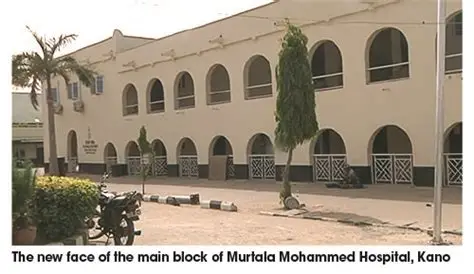
Today, Murtala Mohammed Specialists Hospital is one of the largest government hospitals in Northern Nigeria, providing specialist, emergency, and referral services across a wide range of medical disciplines. The hospital continues to modernize through initiatives such as digital health transformation, including Electronic Medical Records (EMR), Hospital Information Systems (HIS), digital appointments, and staff capacity development Continuous support from the Kano State Government and development partners has strengthened clinical services, emergency preparedness, training programs, and professional accreditation efforts.
In essence, from a modest 15-bed facility in the 1920s, Murtala Muhammad Specialist Hospital has grown into a regional healthcare hub, combining historical significance with modern medical services. Its evolution reflects a commitment to accessible, high-quality healthcare, professional training, and regional referral services, making it a cornerstone of healthcare delivery in Northern Nigeria.

