

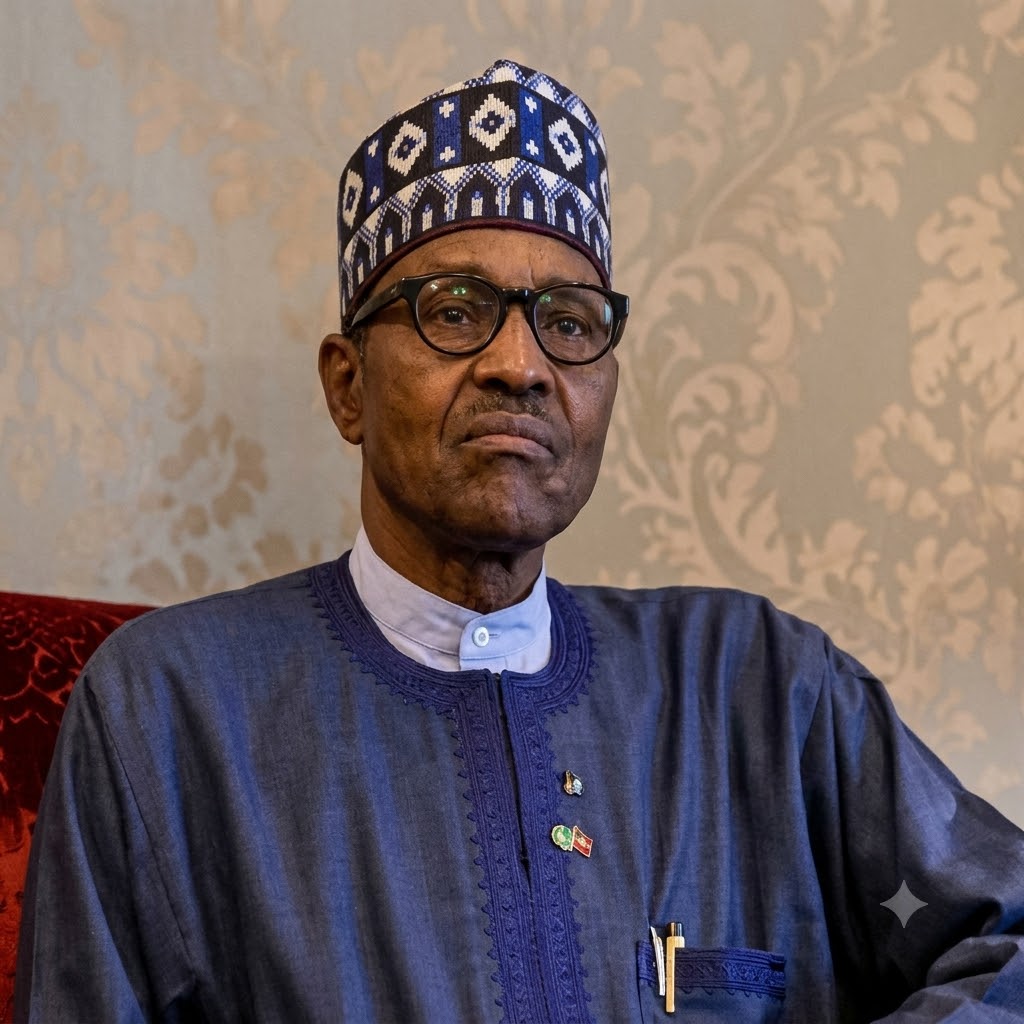
One year ago, Nigeria lost President Muhammadu Buhari – soldier, head of state, two-term elected president 2015-2023, a man whose life spanned Nigeria’s military era to its 4th Republic.
As we mark the first anniversary of his passing, the conversation is no longer about politics of the moment. It is about record, impact, and what remains. In Hausa we say: “Mutuwa ta raba gaskiya da karya” (Death separates truth from falsehood).
Here are the five areas where Buhari’s legacies are most discussed in 2026: Integrity and Anti-Corruption: The Buhari Brand. This was the central pillar of his public identity for 40+ years. Treasury Single Account (TSA) consolidated federal government accounts, saved an estimated ₦3 trillion in leakages 2015-2023, according to CBN/AGF reports;
BV BVN + IPPIS: Pushed for accountability in payroll and social payments. Over 50,000 “ghost workers” were removed; personal example: Lived a simple lifestyle, declared assets publicly, no major corruption allegation was linked to him personally.
Legacy today 2026: TSA, IPPIS, and GIFMIS are now permanent. No government since has reversed them. Whether you agree with his style or not, “due process” and “accountability” became the minimum language of governance because of his tenure.
Infrastructure: Building Back: The Buhari administration 2015-2023 was the most aggressive in infrastructure spending since 1999. Key projects completed or advanced – rail (Abuja-Kaduna, Lagos-Ibadan, Warri-Itakpe standard gauge); revived passenger rail after 30 years.
Roads – 2nd Niger Bridge, Lagos-Ibadan Expressway, Abuja-Kano Road; over 13,000km of roads under Sukuk funding.
Energy: Zungeru Hydro 700MW, Mambilla in planning, Siemens Power deal; gas flare-down policies. Borders & Trade: Border closure 2019 to fight smuggling and boost local rice. Anchor Borrowers Programme supported over 4.8 million farmers.
Legacy today 2026: Nigerians still use these roads and trains daily. The debate now is maintenance and cost recovery, not whether they exist. The physical footprint is undeniable.
Security: Boko Haram to banditry – Buhari came in 2015 with a promise to defeat Boko Haram. North-east: Boko Haram lost territory. Sambisa was cleared. Military moved HQ to Maiduguri. By 2022, insurgents were degraded to IEDs and soft targets.
New challenges: Banditry in North-west, IPOB in South-east, and farmer-herder clashes grew from 2018-2023. His administration created a new security architecture and increased defense budget.
Policing: Signed the Police Act 2020 and pushed for community policing.
Legacy today 2026: The military he re-equipped is still the institution fighting insurgency today. Critics say more could have been done. Supporters say the foundation held.
Social Policy and Youth: Focus on the Vulnerable. For the first time, Nigeria ran a direct social investment programme at scale. Programmes: N-Power, TraderMoni, MarketMoni, Conditional Cash Transfer, School Feeding. Over 12 million households were captured in the National Social Register by 2023.
He also signed the Not Too Young To Run Act 2018, and the Disability Act 2018. Legacy today 2026: The programmes are being reformed, not scrapped. The idea that government must have a social safety net is now bipartisan. That started under Buhari.
Character, politics, and pan-Nigerianism. Perhaps his most complex legacy is political. Democracy: Conducted two elections, handed over peacefully in 2023. He was the first Nigerian to defeat an incumbent and later handed over to another party. That strengthened the 4th Republic.
Patriotism: “I belong to everybody and I belong to nobody.” He saw himself as a Nigerian first. Spoke against tribalism and religious bigotry, even when criticized by his own base.
Discipline: “War Against Indiscipline” from 1984 to TSA in 2015. The theme never changed: order, duty, country.
He was criticised for slow decision-making, for not communicating enough, and for security gaps. He was praised for consistency, for not stealing, and for thinking long-term on infrastructure.
One Year On: How Do We Remember Him?
In Daura, Katsina state, people still visit his home. In Abuja, his name is on roads and buildings. In the barracks, soldiers remember him as one of their own.
Three things stand out one year after: He was consistent. From major general 1984 to president 2023, the message was the same: fight corruption, serve the country, live simply. He prioritised structure over headlines – rail, roads, TSA, social register – things that don’t trend but they last.
He believed in Nigeria. Even when sick, even when criticised, he never spoke of leaving or dividing the country.
President Bola Ahmed Tinubu during the first year of Fidau, said: “Baba was a patriot to the core. We may differ in style, but his love for Nigeria was never in doubt.”
Leaders are judged by three things: what they built, what they stopped, and what they started. Built: infrastructure, institutions, and a new expectation of accountability.
Stopped: The era where stealing was normalised at the very top.
Started: A conversation that governance must deliver for the poorest Nigerian.
“Kullu nafsin dha’iqatul maut” (every soul shall taste death). President Buhari has tasted it. What remains is his record.
One year on, Nigerians are still arguing, still benefiting, and still learning from that record.
May Allah forgive his shortcomings, accept his good deeds, and grant him Al-Jannah Firdaus. Amin.
Sani Ibn Salihu,
Katsina, Katsina state

