

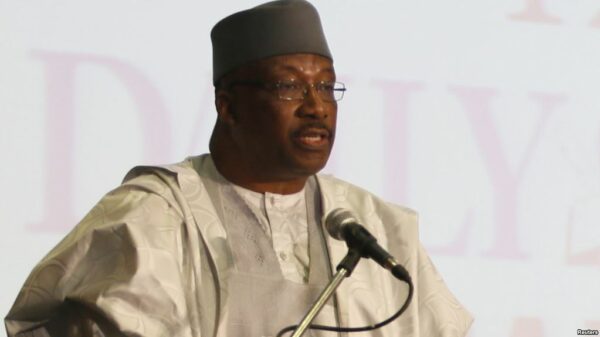
Dambazau added that the framework must include standardized, national oversight and operational guidelines to prevent potential human rights abuses or the emergence of ethnic militias
According to him, it requires training, equipment, discipline, accountability, transparency, adherence to the rule of law, and respect for human rights.
The former chief of army staff noted that with regards to insecurity, the targeted communities were in the rural population, adding that in those areas, there is hardly no elements of law enforcement in those communities.
“Probably that is why people are calling for state police. But of course, the state policing requires what the national police requires.
“I believe that people are calling for that because they think the system we have is too centralised. Therefore, if you decentralise it, it will work. Yeah, it will work only if you make it professional.
“To make it professional, you have to train it well, equip it, ensure there is absolute discipline, and that the welfare of personnel is taken care of very well.
“You have to also ensure that they meet the minimum universal standard of policing. Of course, beyond that, you have to ensure that there is trust.
He sais you will not build trust and confidence between the police and the public, whether it’s state or not, because where the public doesn’t have trust, then it becomes a problem.
Dambazau who is now Nigeria’s Ambassador designate to China, noting sometimes even communities would contribute money to bandits to protect them against other bandits.
Dambazau believes whether state police or not, the standard must be monumental. If your state creates state police and the standards are not there, then you are going back to square one.

